The problem with long ingredient lists
Walk into any conventional pharmacy and pick up a bottle of what passes for "daily moisturizer." Flip it over. The ingredient list might stretch thirty, forty, fifty lines long. Preservatives to extend shelf life. Synthetic fragrances to make it smell pleasant on the shelf. Emulsifiers to keep the oil-and-water mixture stable. Stabilizers. Surfactants. Colorants.
Each one tested in isolation. None of them tested together — on the ecosystem of your particular skin, on the microbiome living on its surface, on the barrier function that keeps everything in balance.
What nature actually uses
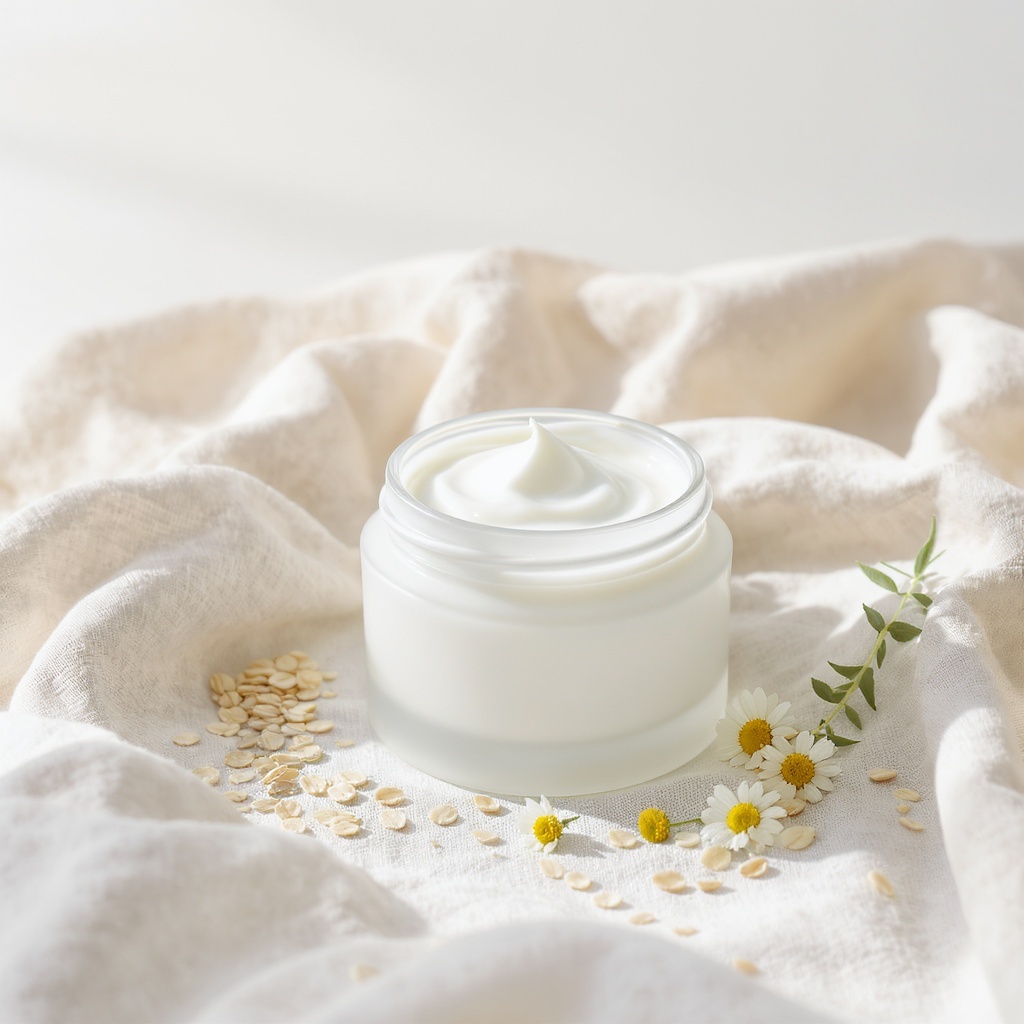
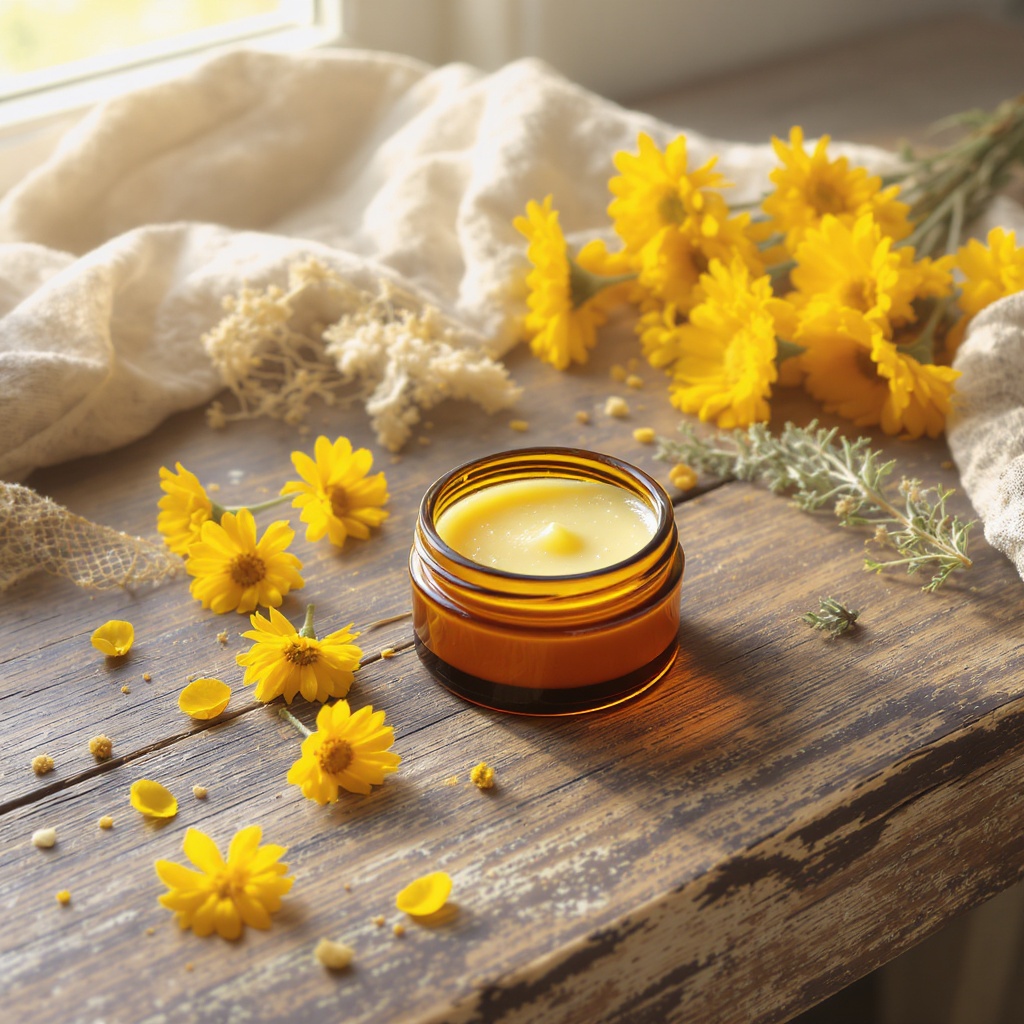
Plants have been solving skin problems for millions of years. Calendula petals — used in traditional medicine across cultures for their wound-healing and anti-inflammatory properties — contain flavonoids and carotenoids that genuinely reduce redness and support skin repair. Beeswax creates a natural protective barrier without suffocating the skin. Raw oats have been a dermatological remedy since Roman times.
These aren't folklore. The science on oat-based products for sensitive and eczematous skin is extensive. Calendula extracts show measurable anti-inflammatory activity in controlled studies. These ingredients work because they're doing what they evolved to do.
What you can't pronounce, reconsider
We're not anti-science. Synthetic ingredients have their place — some SPF filters, certain retinoids, specific preservation systems. But when a product contains ingredients you'd need a chemistry degree to understand, ask why those particular choices were made. Shelf life? Manufacturing convenience? Cost?
Natural doesn't mean ineffective. It means working with biology instead of against it. At Eight Bare Feet, our ingredient list fits on a small label. You can find everything in your kitchen, probably. That's the point.
The farm-fresh difference
Ingredients matter, but so does freshness. The calendula in our Edible Sun Balm was grown within miles of where we make the product. We know the soil it came from, the conditions it was dried in, the people who handled it. That transparency is part of what "natural" means to us — not just the ingredient, but the chain of custody all the way back to the ground it grew in.
That's why we say "farm-fresh skincare." Not because it's a marketing line. Because it's literally what it is.