What spring looks like on the farm — and what changes for your skin
This is the second entry in the seasonal journal we started in winter (read the first one here). The premise is small: walk around the farm each season, write down what the bees and the herb beds are doing, and translate that into whatever routine adjustment the weather is actually asking for. Spring is the easiest season to talk about, because the farm comes back to life before you do — and your skin usually has the same instinct. Less heavy layer. A bit more daylight. The same two products on the shelf, applied with a lighter hand.
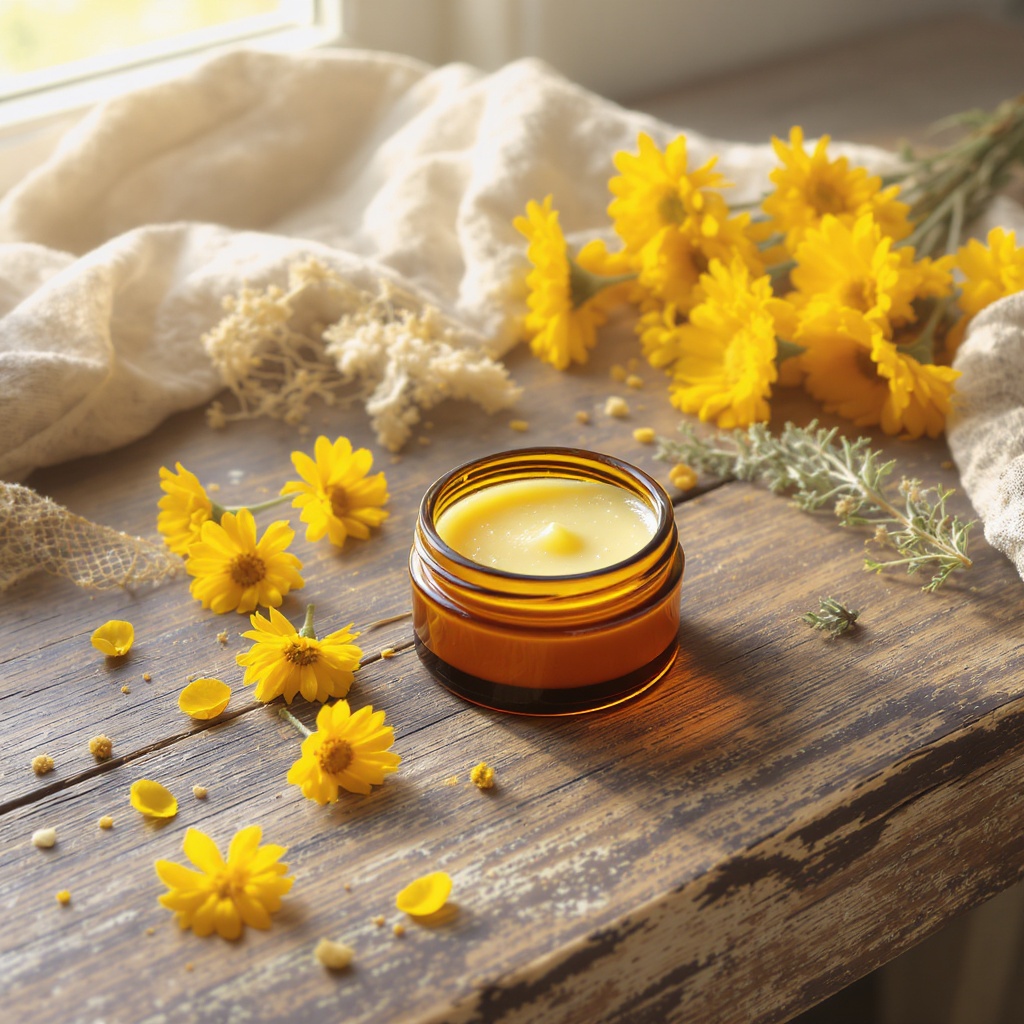
The calendula is the first thing to come back. We overwintered the beds under a thick coat of straw, and by mid-March the first volunteers push through — pale green rosettes at the edge of the row, then runners as the days lengthen. The pear tree at the south end of the garden opens a few days later; if the bees are already out, you can hear them all the way to the kitchen. The goats, who have been on hay and a bit of grain all winter, go back out to pasture the moment the ground firms up. Their coats start to shed in tufts by April; we'll comb them once a week until the undercoat is out. And the tallow we render in spring comes from cattle that have just come back onto fresh grass — the fat is yellower, richer in beta-carotene, and the balm has a faintly sweeter waxy note that we notice as soon as we open a fresh jar.
What your skin is doing in this transition, by contrast, is a quiet one. The same barrier that was being pulled apart by indoor heat and outdoor wind in January is now suddenly getting longer days, more moisture in the air, and sun at an angle that feels warm for the first time since November. The instinct — and the right one — is to go a little lighter on every layer you put on. The same two products still do the work. The weights change.
The lighter routine for the thaw
Three steps, same as winter, but tuned for the season — the same Day Cream and the same Sun Balm, with slightly less of the first and slightly more attention paid to the second as the sun angle climbs.
Step 1 — Same cleanse, slightly cooler water
Whatever you already wash with still works. The small change for spring is the temperature of the water: cooler than winter, warmer than summer. A long hot shower after a day in the field still feels earned, but the face benefits from a cooler rinse at the end of it. Cooler water leaves the barrier less stripped, and the cream that goes on next absorbs more cleanly. If you switched to a richer cleanser in January out of habit, this is also a good moment to drop back to whatever gentler bar or milk you usually keep around — the skin won't need the heavier formula once it's not fighting indoor heat all day.
Step 2 — A lighter layer of Day Cream
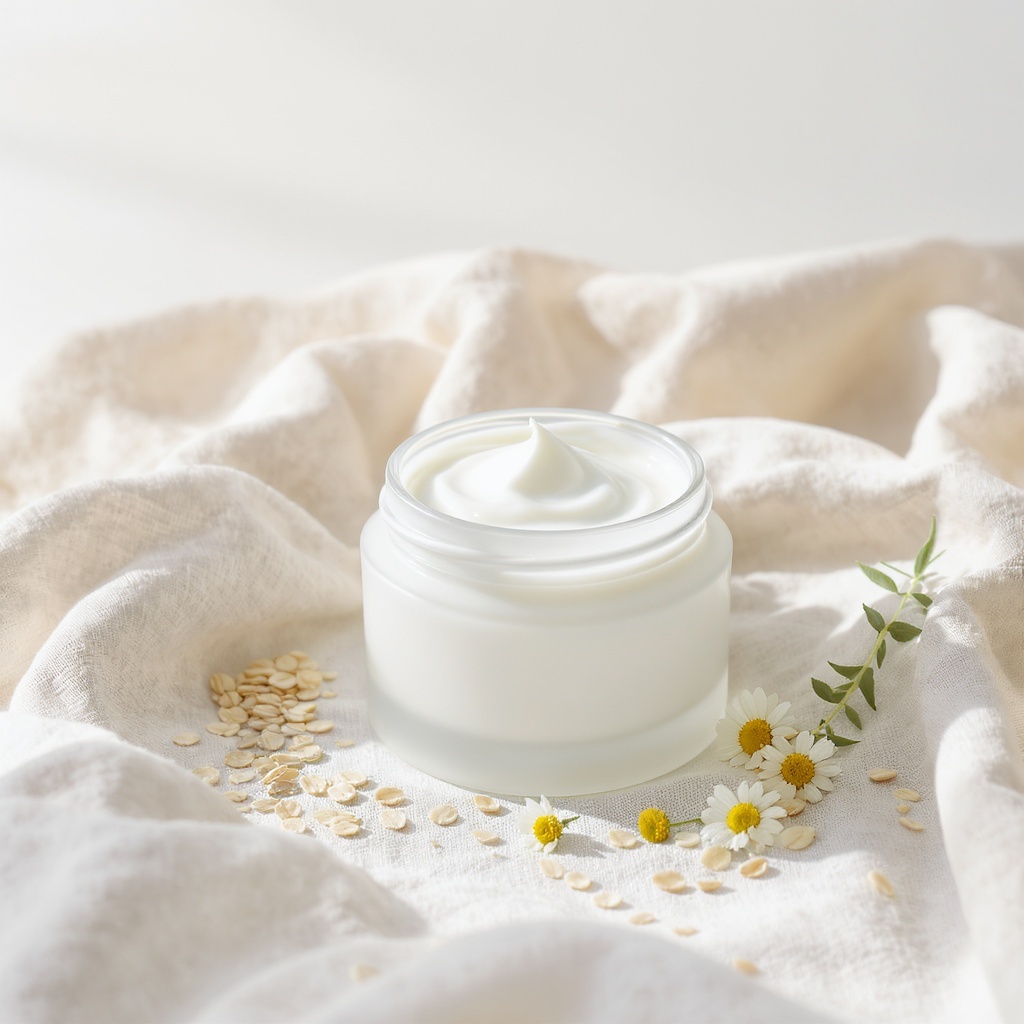
Press in a half-pea-sized amount of Moisturising Day Cream on damp skin. That is the actual adjustment from winter: less product, not more. The cream is oat-, honey-, and chamomile-forward, with grass-fed tallow as the lipid backbone; even half a pea gives you a complete barrier-friendly base for the day. If your cheeks tend to feel tight after a windy April afternoon, leave a slightly thicker pass on those spots and a thinner one across the T-zone. The cream absorbs in seconds either way; the difference is whether it sits as a quiet protective base or as something you can still feel at lunchtime.
Step 3 — Sun Balm earns its full-time slot
This is the step that genuinely changes with the season. In winter the Sun Balm was a spot treatment on the wind-burned patches and an occasional pass before driving somewhere sunny. In spring it earns its place every morning, not because the SPF numbers have changed (they haven't) but because the sun is now reaching bare skin on a walk to the car, a lunch outside, an hour at the garden. Warm a fingertip against the tin, press a thin layer of Edible Sun Balm onto the high points — cheekbones, nose, brow, ears — fifteen minutes before you go out. The non-nano zinc does the sun-blocking work; the beeswax grip is what holds it on through the kind of wind and sweat you don't notice until you've been outside for an hour. Reapply every two hours if you'll stay out.
What the bees are up to
The honeybees in our apiary come out of winter clustered tight around their queen. By mid-April — if we get a warm week — they break cluster for their first cleansing flights, briefly and very purposeful, and start bringing in the first pollen from the willow at the edge of the property. By the time the pear blossoms open in late April, they're in full foraging mode, and the hive is ramping up for the season. The honey we harvest later in the year comes from the work they're doing right now. The beeswax that goes into both the Day Cream and the Sun Balm is a byproduct of the same hives, collected when we pull frames for harvest.
This is part of why "spring routine" sounds like a marketing thing and isn't, really. The transition out of winter is the moment the farm is most actively making what you put on your skin. The bees are working. The calendula is resprouting. The cattle are back on grass and their tallow is yellower. The right bar to clear by the time all of that is happening — the same one you already have on your shelf — is to bring the routine to its lightest comfortable level. Less cream, more attention paid to SPF, and listen to your skin rather than the calendar.
What's coming next
Spring is short in Michigan, and the next entry in this journal will pick up in summer — what's blooming in the beds, what the goats are doing in the heat, and which parts of the routine shift again when humidity climbs. The principle stays the same through every season: the same two products, the same three steps, the weights tuned to whatever the weather is doing to your barrier on a given week. If you'd like a more personal starting point than a routine written for everyone, Find your seasonal routine → and answer four questions. It takes about a minute, and the result is built from those same two products plus a recommendation on how heavy to go in this particular season.